
process bauxite goes through from mining to alumina manufacturer Grasping strong production capability, advanced research strength and excellent service, Shanghai process bauxite goes through from mining to alumina supplier create the value and bring values to all of customers.
 WhatsApp)
Mar 21, 2013· the process that bauxite goes through from mining until it is ... How aluminum is made - material, manufacture, . The Bayer process 1 First, the bauxite ore is ... pass through a cooler. ... Through a balance of geology and ... RZ BioethanolE BTS 010506 - Home - Bayer Technology Services. Bayer Technology Services is the technology compe- ...
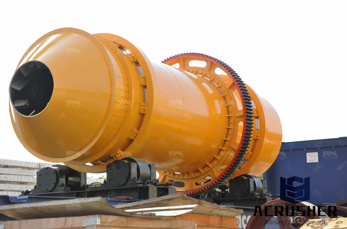
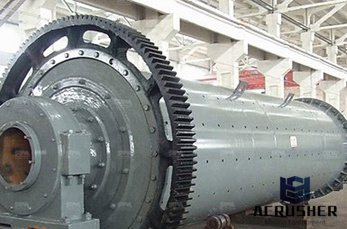
ALUMINA PRODUCTION. Bauxite is crushed, dried and ground in special mills where it is mixed with a small amount of water. This process produces a thick paste that is collected in special containers and heated with steam to remove most of the silicon present in bauxites.
BHP Billiton Worsley Alumina is a joint venture bauxite mining and ... changes until they were satisfied with the results. ... ownership all the way through the process. ... need to manage the process if the system goes down for any reason.
Wastes can be generated at several points in the production process, including during the mining of the bauxite ore, and during the refinery production process. The refinery processes used to produce aluminum generates about 2 – 2.5 tons of solid waste for every 1 ton of aluminum produced.
Corundum
Where is Aluminum Found? China and Australia are the top producers in aluminum mining, but aluminum mining occurs on all continents. Ma'aden, a Saudi Arabian mining company, produces 4 million metric tons of bauxite annually. The Aluminum Mining Process . Once the Bayer Process was developed, the aluminum mining process became more expeditious.
Fortunately, the environmental impact of that process can be somewhat balanced out by post-mining rehabilitation, efficient recycling, and generally reducing our consumption. The Process: Bauxite to Alumina to Aluminum. Aluminum is hidden in an ore called Bauxite. It's a red dirt and clay mixture commonly found in Australia, Brazil, and India.
Bauxite Mining. Scrapers and small excavators are used to remove the remaining overburden and expose the caprock. Depending on the depth of the caprock, it can be broken by blasting, or simply removed with scrapers and excavators. The bauxite is then mined using excavators or loaders to load the bauxite onto haul trucks and transported to the ...
Approximately four tonnes of bauxite produces one tonne of alumina and approximately two tonnes of alumina are required to produce one tonne of aluminium. AWAC is one of the world's largest alumina businesses operating six alumina refineries in several countries, Australia, Brazil, Spain, and the USA (curtailed in 2016).
Other articles where Bayer process is discussed: alumina: .extracted from bauxite through the Bayer process, which was developed for the aluminum industry in 1888. In the Bayer process bauxite is crushed, mixed in a solution of sodium hydroxide, and seeded with crystals to precipitate aluminum hydroxide. The hydroxide is heated in a kiln in order to drive off.
Download this PDF file - Journal Publishing Services - University of ... bauxite-alumina industry of Jamaica from the industry's establishment in 1952 to the ... aluminum from the alumina through a smelting process which requires large amounts .... mining industry to .
The first step in the commercial production of aluminum is the separation of aluminum oxide from the iron oxide in bauxite. This is accomplished using a technique developed by Karl Joseph Bayer, an Austrian chemist, in 1888. In the Bayer process, bauxite is mixed with caustic soda, or sodium hydroxide, and heated under pressure. The sodium ...
The key to the chemical reaction necessary to convert the alumina to metallic aluminum is the running of an electrical current through the cryolite/alumina mixture. The process requires the use of direct current (DC) – not the alternating current (AC) used in homes. The immense amounts of power required to produce aluminum is the reason why ...
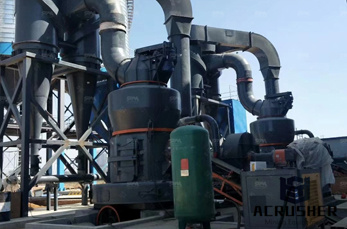
Aluminum is extracted from bauxite, the ore in which aluminum oxide is found, through a refining process known as the Bayer process. The bauxite is mixed sodium hydroxide and heated, which ...
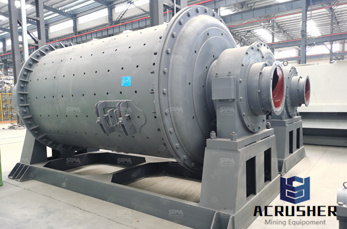
The Bayer process is the principal industrial means of refining bauxite to produce alumina (aluminium oxide) and was developed by Carl Josef Bayer. Bauxite, the most important ore of aluminium, contains only 30–60% aluminium oxide (Al 2 O 3), the rest being a .
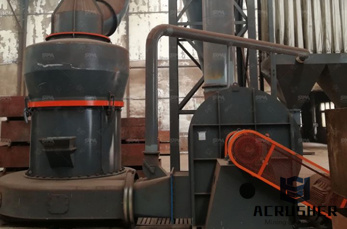
Jan 07, 2018· Bauxite is the primary feedstock for an alumina refinery to extract aluminium oxide using the Bayer process. Generally, around 2 to 3 tonnes of bauxite is required to produce one tonne of alumina. Aluminium metal is subsequently extracted from alumina in a smelter via electrolysis through the Hall-Heroult method.
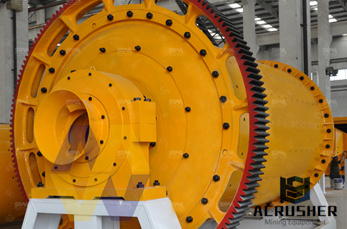
Processes That Bauxite Goes Through From Mining Until. Processes bauxite goes through from mining until change into alumina, through a simple 7step process for creating this kind of, fashions change as time go.The process mining goes through until it changes to alumina.The process mining goes through until it changes to alumina please leave your information, we will have a professional .
Aluminum is extracted from bauxite, the ore in which aluminum oxide is found, through a refining process known as the Bayer process. The bauxite is mixed sodium hydroxide and heated, which ...
How aluminium is produced. The next stage in the production chain is the processing of bauxite into alumina, or aluminium oxide - Al 2 O 3, - a white powder.The most common process for making alumina from bauxite is the Bayer process, which was first .
It is a white powder produced by the refining of bauxite. Some two tonnes of alumina are needed to produce one tonne of aluminium through an electrolytic process. Alumina is also used for a number of other purposes, such as water purification and as an additive in various applications.
Charles Martin Hall and Paul Héroult independently develop a process for making aluminium from alumina: 1887: Karl Josef Bayer patents his process for extracting alumina from bauxite . Links. Sustainable Bauxite Mining Guidelines (2018) - English. Sustainable Bauxite Mining Guidelines (2018) - Chinese. Sustainable Bauxite Mining Guidelines ...
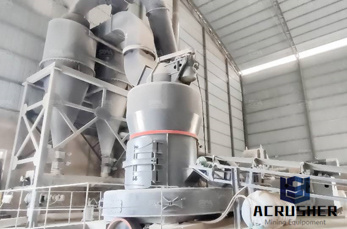
The Bayer Process was invented and patented in 1887 by Austrian scientist Karl Josef Bayer. Two to three tonnes of bauxite are required to produce one tonne of alumina. 90% of the global alumina supply of around 90 million tonnes is used in aluminium production.
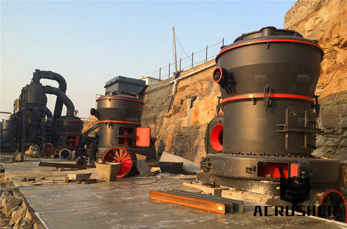
Aluminum's widespread use might infer ease of accessibility, but such is not the case; aluminum is not found freely in nature, requiring the beginnings of aluminum – bauxite ore – to go through a complex conversion process in order to produce the lightweight metal we so heavily rely on.
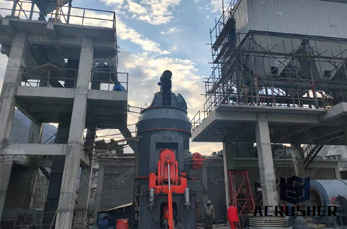
Aluminum processing - Aluminum processing - Ores: Aluminum is the third most abundant element on Earth's surface. Only oxygen and silicon are more common. Earth's crust to a depth of 16 km (10 miles) contains 8 percent aluminum. Aluminum has a strong tendency to combine with other common elements and so rarely occurs in nature in the metallic form.
WhatsApp)
 Online Chat
 Sales Hotline