
magnet seperation of ferrous metals from slag manufacturer Grasping strong production capability, advanced research strength and excellent service, Shanghai magnet seperation of ferrous metals from slag supplier create the value and bring values to all of customers.
 WhatsApp)
The design of our new STEINERT EddyC® combines things that have been tried and tested with innovation in the separation of non-ferrous metals. STEINERT also continues to rely on the established eccentrically mounted magnetic pole system with powerful neodymium-iron-boron magnets and robust construction of all machine elements in its eddy ...
Targeted parameterization allows this rotor to concentrate different non-ferrous metals from each other or even PCBs from non-ferrous metals. In the current application, the 2 m wide machine (INPXV 650x2000 S) will be used for the separation of non-ferrous metals from fine slag .
Jan 04, 2015· Applications include foundry shot, crushed borings, slag and magnetic ores. 10. MAGNETIC DRUM SEPARATOR 11. Magnetic drum separators are important magnetic separators that removes ferrous metal from dry bulk products in free-flowing processing systems. They are self cleaning unit consisting of drums and housing normally of stainless steel.
US20150000467A1 - Method of separating and recovering iron from waste non-ferrous slag discharged from process for smelting of non-ferrous metals, including copper, zinc and lead by physical and chemical separation technique - Google Patents
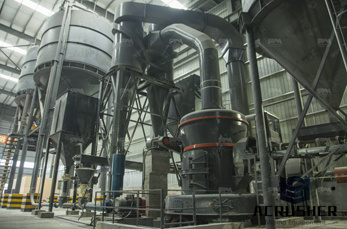
Magnetic separation can recycle small amount of ferrochrome, but in the process of magnetic separation adsorption with large quantities of iron slag, lead to sharp decline in the purity of ferrochrome, depending on the chromium content in chromium iron alloy its permeability also is not the same, but the magnetic iron is contained in the slag ...
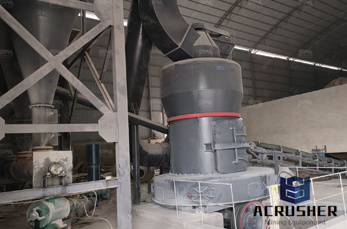
The magnetic density separation (MDS) technique can be used to separate the aluminum from other non-ferrous heavy metals based on their difference in apparent density in a gradient magnetic field ...
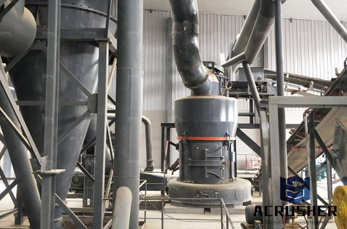
These special permanent magnets generate particularly high field gradients which are necessary for successful separation, as is the need with all Magnetic-Separators. ... The separator continuously rotates to offer excellent removal of the tramp iron and other ferrous contaminants using highly effective magnets. ... Recovery of metals from slag ...
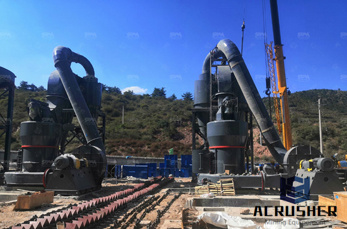
Resoline ferrous scrap and slag recycling lines. Complete technical solutions for ferrous metal scrap and slag processing task. If required, the feeding hopper is provided with a grate to prevent large inclusions from getting into the hopper, which can cause closing of the feeding hopper outlet.
This bottom ash from waste incinerators contains up to 90% mineral traces, 4-8% ferrous metals and roughly 2% non-ferrous metals. To make the exploitation of bottom ash possible, the most complete possible separation of the metal components is essential.
7.3.1 Ferrous metals. Ferrous metals, which are available in the solid waste streams of most communities, are primarily in the form of tin-coated steel cans and white goods. These metallic materials represent about 5 to 10 per cent by weight of the municipal waste stream in many US communities.
The IFE VIOS generates an unprecedented repulsion force in the non-ferrous parts to be separated with an absolutely new magnetic system geometry. Through targeted parameterization, the rotor of this separator is also able to separate different non-ferrous metals from each other or to concentrate PCBs from non-ferrous metals.
The power of progress and technical tradition can be felt in each and every one of our STEINERT solutions for magnetic and sensor-based sorting and separation. We offer the latest in technologies available to the mining and mineral processing industries, including our multi-sensor ore sorting solutions.
C22B7/00 — Working up raw materials other than ores, e.g. scrap, to produce non-ferrous metals and compounds thereof; Methods of a general interest or applied to the winning of more than two metals; C22B7/005 — Separation by a physical processing technique only, e.g. by mechanical breaking
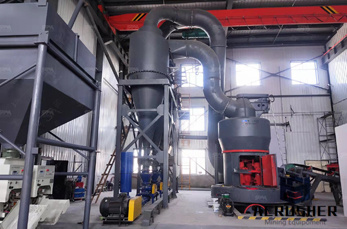
In Mining, heavy duty magnetic separators are used to remove large tramp metal from mined ores and to separate magnetic ores. This is achieved using large Electro Overband Magnets, Drum Magnets, Pulley Magnets and Metal Detectors;; In Mineral Processing, high intensity magnetic separators are applied to purify non-metallic minerals and separate minerals of varying magnetic susceptibility.
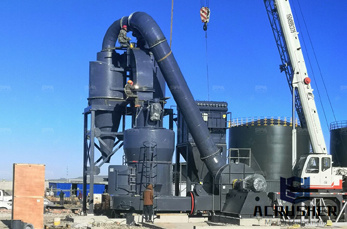
magnet seperation of ferrous metals from slag. ferrous chromite recovery and alloy slag beneficiation. magnet seperation of ferrous metals from slag. ferrous chromite recovery and alloy slag ferrous chromite recovery and alloy slag beneficiation. Metal Slag Recovery, More Info.

Steelmaking Slag Beneficiation by Magnetic Separator and Impacts on Sinter Quality Ö. S. Bölükbaşı1, B. Tufan1* 1Department of Mining Engineering, Dokuz Eylül University, 35160, Izmir, Turkey Abstract: Basic oxygen furnaces (BOF) slag is the main problem at all iron and steel factories.
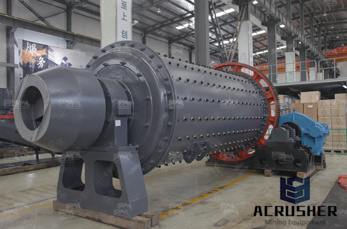
Separator Magnets. Walker engineers and manufactures magnetic pulleys, drums, suspended magnetic separators, and eddy-current separators designed for beneficiation, tramp iron removal, non-ferrous metal recovery and various other separation processing applications.

The non-ferrous fractions contain all the valuable and precious metals; the non-ferrous separation is therefore the processing step that recovers the value from the product stream. In theory, everything prior to this is pre-processing or preparation, to maximize the efficiency of the non-ferrous separation.
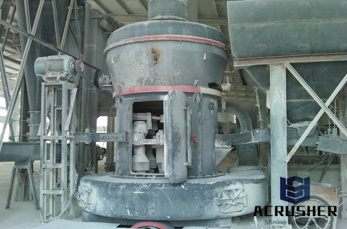
Fragmentizer Magnetic Drum Magnets are available for the automatic continuous separation and upgrading of ferrous from non-ferrous metals in scrap processing, steel bearing slag, foundry metal recovery, municipal waste and many other extreme heavy-duty applications.
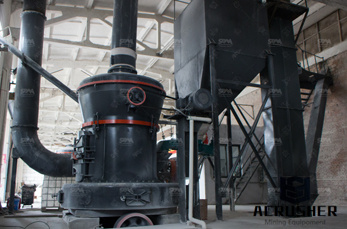
The magnetic separation method is used for separating metallic iron and iron minerals from steel slag. Commonly-used magnetic machines are cross-belt magnetic separator, drum magnetic separator and magnetic-pulley separator. To improve magnetic separation efficiency, the classification of steel slag fed to magnetic separation is carried out.
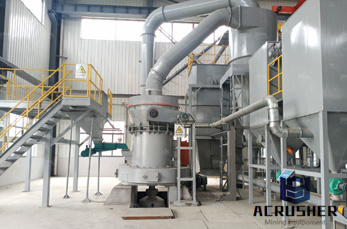
Heavy and non-Fe metals can be melted down, time after time. They are thus ideal for recycling. An important role here is played by the quality of the processed, sorted metals to ensure their use in the smelt and to achieve value creation and marketing assurance. Non-ferrous metals find uses in all areas of industry and in consumer goods.
recovery from the electric furnace slag by magnetic separation. To meet the target, the following factors were investigated during magnetic separation tests: grain size, magnetic field intensity, distance between material and magnet, thickness of slag layer, re-grinding of coarse grains, and moisture content. 3. Experimental 3.1.
The separator ECS-C Sollau is thus ideal for a continuous automatic separation of good conductible light non-ferrous metals (such as copper, aluminum, magnesium, silver etc.). The ECS-C Sollau is applicable also for sorting of brass, zinc, gold, cadmium or tin objects, with certain limitations.
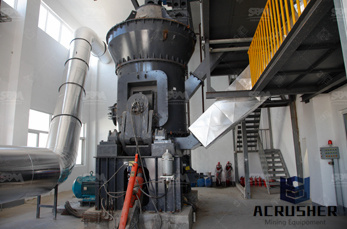
The ash and slag from incinerators contain a high percentage of metallic materials which however are hardly visibly recognisable after the incineration of the residual waste.Only a fraction of the metal can be separated from the slag and recycled using conventional techniques such as magnetic separators for iron scrap and eddy current ...
WhatsApp)
 Online Chat
 Sales Hotline